You are viewing all posts for categories: service

Spring Car Care Tips From Bob-Boyd Lincoln

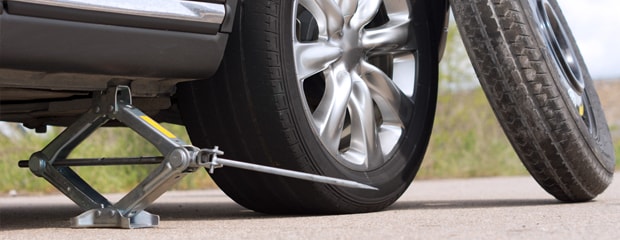
Spring has arrived in Columbus, Ohio, and it's the perfect time to give your vehicle some extra TLC. Proper spring car care is essential to keep your Lincoln running smoothly, safely, and efficiently after the long winter months. Bringing your vehicle in for seasonal maintenance can help prevent issues down the road.


Read More
Categories: ,

What to Know About Timing Belts

As the name suggests, a timing belt is a piece of rubber that ensures that parts within the engine move in a precise manner. At Bob-Boyd Lincoln, Inc. in Columbus, OH, we want you to know more about this critical component and what might happen if it were to break or come loose.

Read More
Categories: ,

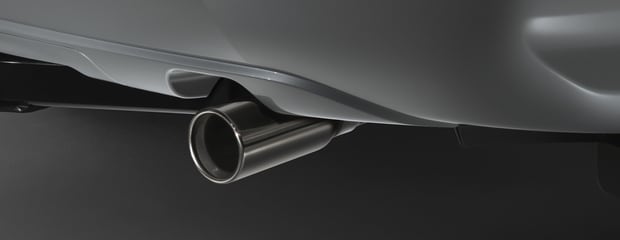
Signs Your Exhaust Is Leaking

The exhaust system in your vehicle is responsible for eliminating harmful gases from the engine, reducing noise, and improving engine efficiency.

1. Loud Exhaust Noise

One of the easiest ways to tell if you have an exhaust leak is by the sound of your car. 

Read More
Categories: ,

Why Alignments Are Important

If you've been driving on the roads around Columbus, you know that there are sometimes obstacles that can be in the way. These obstacles could cause your tires to get knocked out of alignment, and this could lead to a few problems.

When tires aren't lined up properly, either because of normal wear and tear or because you've hit a pot hole or curb the wrong way, you could be affecting your vehicle's handling and the integrity of your tires. Tires could start to wear down unevenly, causing structural problems in some spots. 

Read More
Categories:

How Does A Transfer Case Work?

A transfer case is a part of your vehicle's drivetrain that connects your transmission to the differentials. It's also known as a transmission-to-axle or T/A. This makes it possible for your four-wheel drive vehicle to handle complicated terrains with ease.

The transfer case transfers engine power from the transmission to the front and rear differentials. It does this by engaging one of two differentials, depending on the torque requirements of each axle. This is helpful when moving around corners or climbing up or downhills. The transfer case contains gears and clutches to switch 

Read More
Categories: